





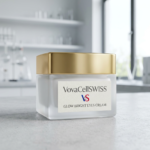
 Regenerative Bio-Cellular Series
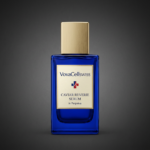 Luxury Caviar Infusion Series
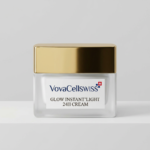 Aurum Radiance Series
Embryonic Cell Therapy — Origins & Evolution
As early as 1931, Professor Paul Niehans, the founder of cell therapy, discovered that subcutaneous injections of fresh cells could enhance the body’s regenerative capacity. The core principle of cell therapy is to stimulate cell division in diseased organs by leveraging the biological components of healthy organs. This means that damaged cellular structures can be regenerated through biostimulation.
This triggers a systemic rejuvenation — signs of aging are alleviated or slowed, and the immune system is strengthened.
The latest research indicates that molecular therapy can also help improve degenerative conditions such as Alzheimer’s and Parkinson’s disease, while halting impaired healing processes and organ damage. Its applications range from chronic conditions like asthma and rheumatism to circulatory disorders and dermatological diseases.
Professor Paul Niehans recognized that cells are not simply absorbed and integrated into the body as intact units; rather, their cellular contents release regenerative potential through a complex biochemical process. Consequently, molecular therapy is only effective for individuals whose bodies are still capable of generating a regenerative response.

Lyophilized Cell Analysis Therapy
Adult Stem Cell Molecular Therapy
Cellular Peptide Molecular Therapy
Fresh Cell Molecular Therapy
(1)Placental extract has been used for centuries. However, this does not mean that all products consumed, injected, or taken orally by consumers contain the original high-quality components inherent to the placenta.
Most placental extract manufacturers rely on grinding, freeze-drying, or heat treatment. These three methods of production and sterilization all lead to the loss of the placenta’s therapeutic potential. As a result, placental products processed in this manner retain only amino acids, devoid of the bioactive components they should contain. Vovacell, through its innovative “CELL endogenous cellular technology,” minimizes this drawback and preserves bioactive potency.
(2) Currently, closed-colony animal herds maintained over 20 to 30 generations represent the safest standard for cell therapy preparation. The genetic lineage of the animal source is meticulously documented — including birth dates, medical data, and any form of aberration across each generation.
It is therefore critically important that the cellular source material remains free from any pathological biological contamination. Since 1991, Vovacell has pioneered the use of closed-colony animal populations free from pathogenic infection, ensuring safety and quality at the source.