





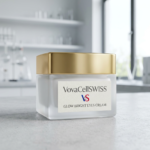
 Regenerative Bio-Cellular Series
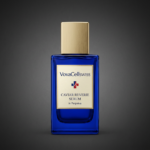 Luxury Caviar Infusion Series
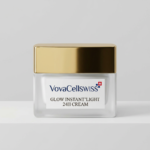 Aurum Radiance Series
The Science of Human Aging and Cellular Health
The Link Between Cellular Aging and Sub-optimal Health:
The human body is a cellular "nation" composed of approximately one quadrillion cells, each with distinct physiological characteristics. As an individual grows and matures, the population of adult stem cells gradually declines and may even disappear entirely from certain tissues and organs. Once stem cells become depleted, they can no longer produce new cells. Cellular metabolic function weakens, senescent cells accumulate, and the body ages — ultimately leading to death.
Upon entering young adulthood, the number of various adult stem cells in the body decreases sharply, falling to a ratio of approximately one in 100,000 to one in 1,000,000 relative to other cells. This is due to several factors: some adult stem cells undergo apoptosis under internal and external environmental stress; others are consumed during growth; and still others gradually enter a state of functional dormancy under genetic regulation. The reduction in stem cell count and the onset of functional dormancy impair the body's ability to regenerate and repair damaged tissues during injury and aging. As more and more cells die, the body gradually transitions into a state of sub-optimal health.
Mild Early Aging Symptoms:
Low energy, physical exhaustion, lethargy, easy fatigue, dizziness, headaches, poor concentration, declining memory, frequent colds, poor sleep quality, light sleep with excessive dreaming, poor appetite, dull and inelastic skin, dryness, blemishes and acne, reluctance to speak or move, low mood, weakened immunity.
Severe Early Aging Symptoms:
Circadian rhythm disruption, metabolic dysfunction, endocrine imbalance, comprehensive skin aging, nervous system disharmony, immune decline, systemic functional deterioration, overall physical decline, rapid aging, and the onset of numerous serious diseases. Premature aging triggers metabolic changes, neuroendocrine disorders, decreased immune function, and general physical decline, which in turn accelerate aging and give rise to a wide range of illnesses.

Moderate Early Aging Symptoms:
Reduced resistance, recurrent colds, sensitivity to cold, decreased libido, weak digestion, kidney deficiency, physical decline, mental fatigue, lower back and joint pain, memory loss, insomnia and loss of appetite, frequent urination, increased wrinkles, recurrent blemishes, digestive issues, accelerated aging, irritability, diminished stamina and explosive strength.
Severe Early Aging Symptoms:
Circadian rhythm disruption, metabolic dysfunction, endocrine imbalance, comprehensive skin aging, nervous system disharmony, immune decline, systemic functional deterioration, overall physical decline, rapid aging, and the onset of numerous serious diseases. Premature aging triggers metabolic changes, neuroendocrine disorders, decreased immune function, and general physical decline, which in turn accelerate aging and give rise to a wide range of illnesses.
Intrinsic Causes of Human Aging
Biologically, aging is an inevitable, spontaneous process that progresses over time. It is a complex natural phenomenon characterized by structural degeneration, functional decline, and reduced adaptability and resistance. The intrinsic causes of aging include stem cell depletion, DNA degradation, dietary and psychological factors, and the activation of aging-related genes.
With its remarkable efficacy, minimal side effects, and highly personalized approach, cell therapy offers a treatment option — sometimes the last resort — for certain refractory diseases.
Mechanism of Action
As independent living entities, cells possess remarkable vitality, proliferation and differentiation capacity, and functional plasticity. The therapeutic mechanisms of cell therapy fall into two main categories: (1) Direct action — cells directly utilize their specific biological activities to repair damaged tissues and organs, or exert specific/non-specific cytotoxic effects; (2) Indirect action — cells secrete relevant factors or bioactive molecules to regulate the patient’s own cellular proliferation and functional activity.
Efficacy vs. Safety
Due to the non-antigenic nature of organ extracts and cell therapy preparations, the patient’s immune system does not recognize them as foreign substances. It has been scientifically established that embryonic cells circulate from the injection site through the bloodstream until they are identified and bound by their corresponding target organs. These organ-specific — rather than species-specific — young cells transfer their vitality to aged and weakened cells, thereby stimulating function, renewing efficacy, and revitalizing the organs themselves.